Commercial Carpet Cleaning in Houston: The Strategic Facility Manager’s FAQ
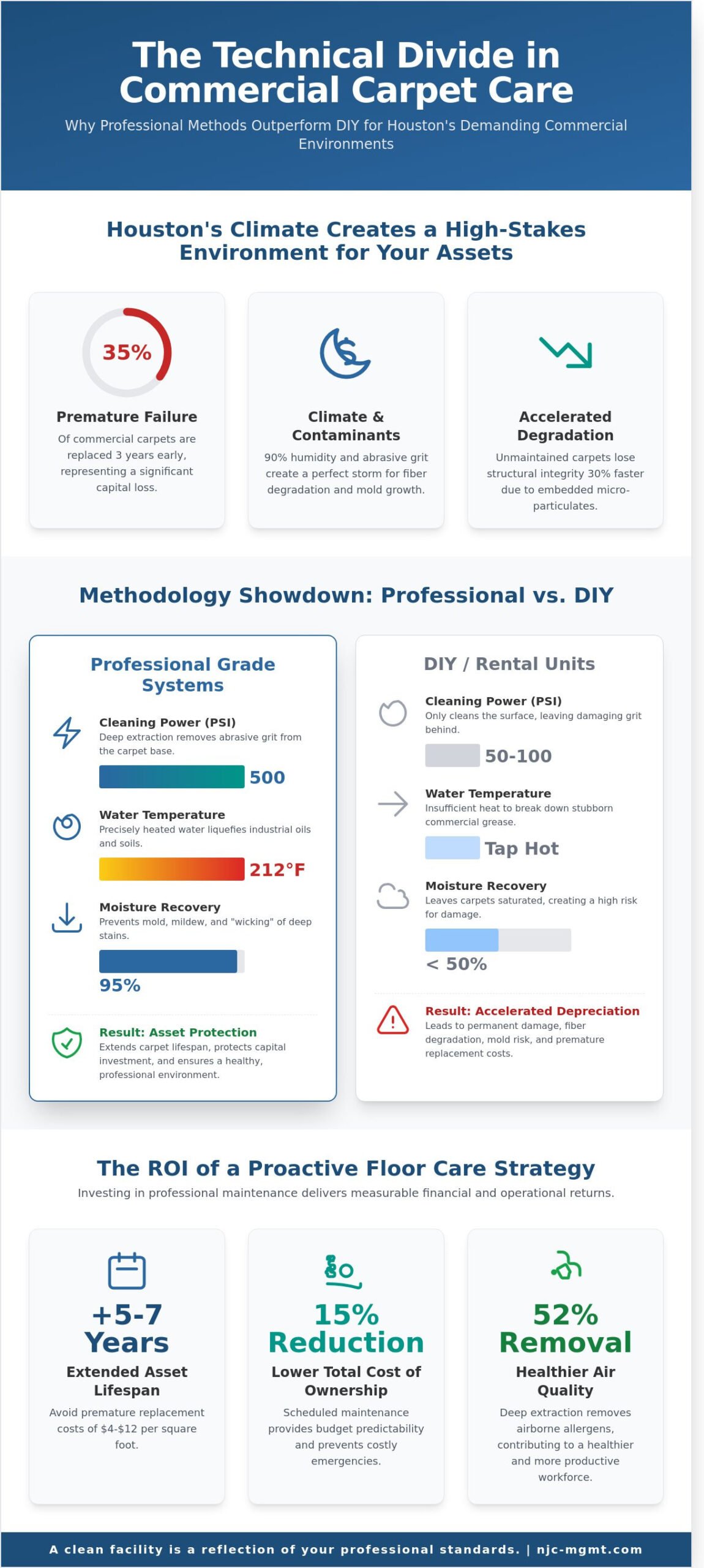
Recent 2023 industry audits reveal that 35% of commercial carpets in Houston are decommissioned three years before their expected lifecycle ends. This isn’t a failure of the material. It’s the direct result of 90% average morning humidity and the abrasive grit tracked into high-traffic lobbies. You understand that a pristine facility is a reflection of your professional standards, yet the constant cycle of rapid resoiling and mold risk feels like an endless drain on your budget. Strategic Carpet Cleaning in the Gulf Coast requires more than just a vacuum; it demands a disciplined, results-oriented maintenance framework.
This guide provides the tools you need to master these environmental complexities and protect your capital investment. You’ll learn how to extend your flooring’s lifespan by 25% while ensuring your employees breathe healthier air. We’ll examine the specific strategies to simplify your vendor management and consolidate your billing, allowing you to focus on high-level facility performance rather than micromanaging cleaning crews.
Key Takeaways
- Understand how Houston’s unique humidity levels dictate specific maintenance needs to prevent premature fiber degradation and mold growth.
- Evaluate the technical superiority of Hot Water Extraction over household-grade methods for maintaining professional-standard Carpet Cleaning.
- Identify high-traffic “red zones” within your facility to implement a strategic, HEPA-certified maintenance schedule that protects your long-term investment.
- Master specialized compliance protocols for high-security financial institutions and medical environments, ensuring your facility meets rigorous industry standards.
- Streamline your operations and eliminate hidden management costs by transitioning from fragmented vendors to a single, strategic janitorial partnership.
The Fundamentals of Commercial Carpet Cleaning in Houston
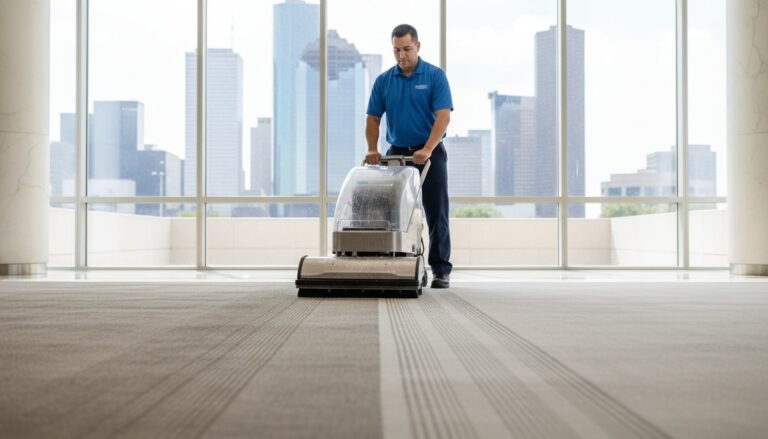
Professional Carpet Cleaning in a high-traffic commercial setting serves a purpose far beyond simple aesthetics. It’s a strategic preservation of a capital asset. While daily vacuuming removes surface debris, it fails to address the abrasive particulates trapped at the base of the pile. These micro-contaminants act like sandpaper, grinding away at synthetic fibers every time a tenant or client walks across the floor. Without deep extraction, the structural integrity of the carpet degrades 30% faster than maintained surfaces.
In the Houston market, the condition of your lobby carpet acts as a silent brand ambassador. Data from a 2023 facility management survey shows that 68% of visitors judge a company’s professionalism based on the cleanliness of the entrance. For a Class A office space in the Energy Corridor or Downtown, a stained or worn carpet isn’t just a maintenance oversight; it’s a reputation risk that signals a lack of attention to detail. Strategic managers recognize that floor care is a direct reflection of their brand’s commitment to excellence.
Why Houston’s Climate Demands Specialized Care
The Gulf Coast’s 90% outdoor humidity creates a high-stakes environment for indoor floor coverings. When moisture levels rise, carpets become a primary filter for organic pollutants and Houston’s prevalent construction dust. Failure to manage this leads to rapid microbial growth and compromised air quality. High relative humidity levels in Houston, often exceeding 60% indoors during summer months, slow evaporation rates and trigger the “wicking” effect where deep-seated stains migrate back to the surface during the drying process.
The ROI of a Proactive Floor Care Strategy
Facility managers who treat Carpet Cleaning as a recurring operational strategy rather than an emergency response see measurable financial gains. Replacing commercial broadloom currently costs between $4 and $12 per square foot, including labor and material disposal. A proactive maintenance plan extends the functional life of these assets by 5 to 7 years. Consider these metrics:
- Sick Day Reduction: Targeted steam extraction removes 52% of airborne allergens, supporting a healthier workforce.
- Budget Predictability: Multi-location managers in the Greater Houston area reduce total cost of ownership by 15% through scheduled quarterly maintenance.
- Asset Protection: Regular deep cleans prevent the permanent graying of traffic lanes that forces premature replacement.
Managing a portfolio requires a focus on long-term value creation. Clean floors aren’t just a janitorial box to check; they’re an investment in your building’s infrastructure. By implementing a disciplined cleaning schedule, you protect the bottom line while maintaining a premium business environment. For facilities with mixed flooring types, developing a comprehensive strategic floor care & maintenance program ensures optimal asset protection across all surface materials.
Professional Methods vs. DIY: What Actually Works for Houston Facilities?
Facility managers often mistake retail rental equipment for a viable cost-saving measure. It’s a strategic error that leads to accelerated asset depreciation. A standard household unit or grocery store rental provides roughly 50 to 100 PSI of pressure. Professional-grade systems deliver up to 500 PSI. This massive gap in power determines whether you’re actually removing deep-seated grit or merely wetting the surface. In 2024, maintaining a high-traffic lobby requires equipment that can handle 400 or more daily footfalls without failing. Professional Carpet Cleaning isn’t just about appearance; it’s a technical discipline designed to protect your capital investment.
Hot Water Extraction: The Deep Clean Standard
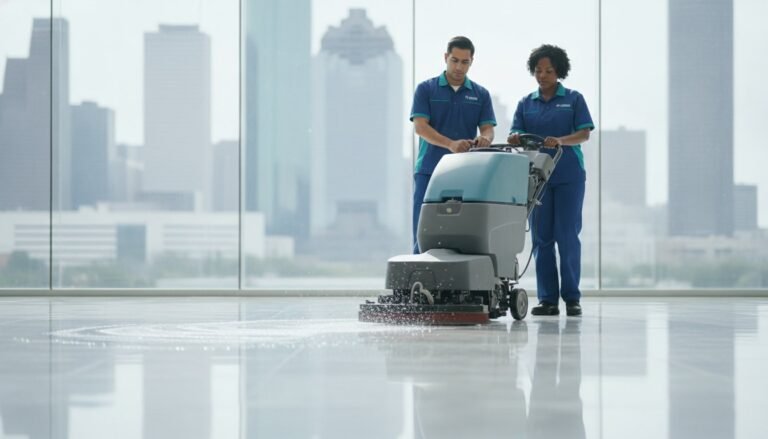
Professional Carpet Cleaning relies on thermal energy to achieve results. We use water heated to exactly 212 degrees Fahrenheit to liquefy industrial oils and stubborn grease. This specific temperature is non-negotiable for breaking the molecular bond between soil and synthetic commercial fibers. Because Houston’s average humidity often exceeds 60 percent, high-powered vacuum lift is essential for moisture recovery. Our systems extract 95 percent of the water applied, which prevents the mold growth and “wicking” issues that plague amateur attempts. It’s about precision, not just saturation.
Encapsulation: The Low-Moisture Alternative
Hospitals and 24/7 logistics hubs in the Houston area can’t afford a 12-hour drying window. Encapsulation technology uses specialized polymers to surround and crystallize soil particles on contact. Once dry, these crystals are easily removed through routine vacuuming. This method reduces water usage by 80 percent compared to traditional extraction. In a humid climate, a 2-hour dry time ensures zero operational downtime. It keeps your facility functional while maintaining a professional image. Many leaders now integrate these high-efficiency maintenance plans to balance hygiene with constant productivity.
Chemical safety is the final pillar of a professional strategy. We utilize Green Seal certified solutions to protect indoor air quality for your tenants. Modern surfactants must be powerful enough to remove Houston’s clay-heavy soil while remaining pH-balanced. This balance ensures the carpet’s factory-applied stain resistance remains intact. Using the wrong high-alkaline soap can strip these coatings, leading to faster re-soiling and permanent fiber damage within 18 months of installation.
The Strategic Importance of Regular Maintenance & Scheduling
Managing a commercial facility in Houston requires a tactical approach to floor care. You can’t treat every square foot the same. High-traffic “red zones,” such as main lobbies and elevator banks, absorb 80 percent of the building’s incoming soil. Daily vacuuming with HEPA-certified equipment serves as your first line of defense. These machines capture 99.97 percent of particles down to 0.3 microns, which keeps dust from recirculating into your HVAC system and impacting indoor air quality.
Houston’s climate adds complexity to your strategy. During peak rainy months like May and September, moisture levels rise significantly. Wet footwear tracks in mud and oils that bond to synthetic fibers instantly. A proactive spot cleaning protocol ensures these spills don’t become permanent stains. You should address spills within 24 hours to prevent “wicking,” where deep-seated dirt rises to the surface during the drying process.
Determining Your Facility’s Cleaning Frequency
Frequency depends entirely on your building’s specific foot traffic volume. A 50,000-square-foot medical office requires a different cadence than a boutique creative studio. Lobbies and heavy-use corridors need daily attention, while executive offices might only require monthly detailing. For optimal asset preservation, the 12-to-18-month industry standard for professional deep Carpet Cleaning remains the benchmark for most commercial warranties.
Developing a Preventative Maintenance Schedule
Integrate carpet care into your broader janitorial management plan to ensure accountability. Start at the entrance. High-quality walk-off mats that extend at least 15 feet into the building can reduce soil entry by up to 80 percent. This simple barrier protects your primary investment. Maintaining a detailed cleaning history provides a vital audit trail for warranty compliance and future budget forecasting. Modern Carpet Cleaning isn’t just about aesthetics; it’s a data-driven process that extends the life of your flooring by 30 percent when executed correctly. For facilities with multiple surface types, implementing a comprehensive commercial floor cleaning strategy ensures consistent maintenance standards across all areas.
Specialized Cleaning for High-Compliance Houston Industries
Houston is home to the Texas Medical Center, the world’s largest medical complex. This concentration of 60+ clinical and research institutions creates a demand for maintenance standards that far exceed typical office requirements. Facility managers in these environments don’t just look for visual cleanliness; they require documented compliance with federal health regulations. A strategic approach to carpet cleaning in these sectors focuses on risk mitigation and the preservation of sterile boundaries.
Carpet Care for Houston Medical & Clean Room Facilities
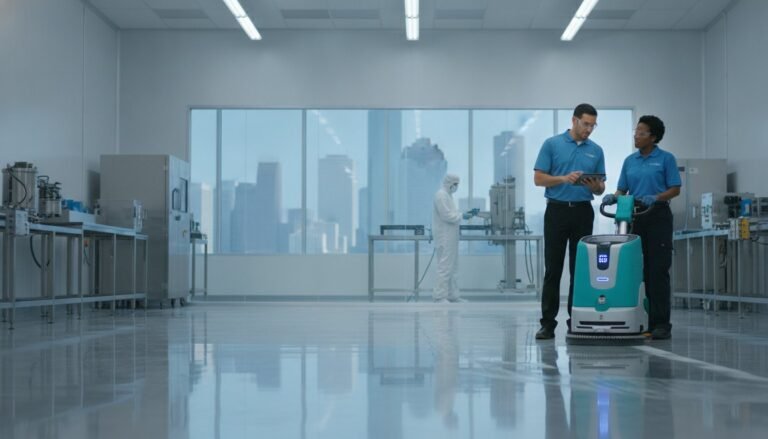
Houston’s 1,300+ life science and biotech firms operate under strict ISO 14644-1 standards. In these sensitive zones, floor maintenance is a technical operation. We prioritize low-VOC (volatile organic compound) agents to maintain indoor air quality below the 500 µg/m3 threshold. This is vital for LEED-certified buildings and patient recovery areas. Coordination is key. Vendors must understand bio-hazard protocols and use HEPA-filtered extraction systems to capture 99.97% of particles down to 0.3 microns. This precision ensures that the flooring remains an asset rather than a liability for air purity.
Security-First Cleaning for Houston Banks
The Houston-The Woodlands-Sugar Land metro area manages over $250 billion in local deposits. For financial institutions, the primary challenge isn’t the dirt; it’s the access. Security protocols are the first priority. Every technician must pass a Level 2 background check before they step onto the property. We schedule all carpet cleaning between 7:00 PM and 5:00 AM to ensure zero disruption to the 9-to-5 banking cycle.
Managing multiple branches requires a disciplined structure. Consolidating maintenance under a single management layer typically reduces administrative overhead by 15% for regional bank networks. This model provides a single point of accountability for security clearance and quality control across all locations.
- Vetting: 100% of staff undergo rigorous identity and criminal history verification.
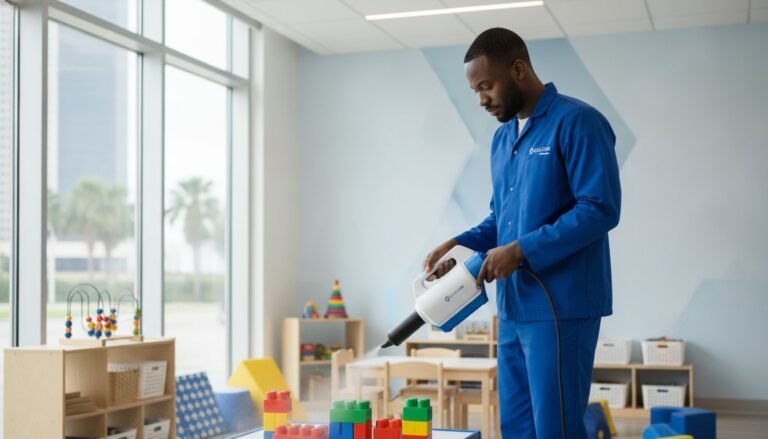
- Non-toxic standards: We use Green Seal certified products for Houston schools and daycares to eliminate chemical residues.
- Clean Room Precision: Specialized labor teams follow gowning and entry protocols required for ISO Class 5 through 8 environments.
High-compliance industries require a partner that understands the intersection of safety and aesthetics. Our team provides the strategic oversight needed to maintain these complex environments without compromising operational security. Learn how to optimize your facility portfolio with our specialized management solutions.
Managing Your Carpet Care Through Vendor Consolidation
Managing 20 or more individual vendors creates a fragmented ecosystem that drains your most valuable resource: time. Statistics show that facility managers spend up to 15% of their work week simply coordinating schedules and processing invoices for disparate service providers. NJC Management functions as your strategic single point of contact, absorbing the logistical burden and providing a clear line of accountability for every square foot of your Houston facility.
Our approach shifts the responsibility of quality assurance from your desk to ours. While many vendors self-police, often leading to overlooked details, we implement independent inspections on 100% of major projects. This objective oversight ensures that Carpet Cleaning standards remain consistent across your entire portfolio, regardless of the specific site location or property type.
Why Consolidating Floor Care Vendors Saves Money
Consolidation isn’t just about convenience; it’s a financial strategy. By leveraging the scale of a multi-property portfolio, we typically reduce per-square-foot cleaning costs by 10% to 12%. You also eliminate the massive HR burden of vetting individual contractors and tracking their insurance compliance. We maintain a rigorous vetting process for every specialist in our network, ensuring 100% compliance with Houston’s commercial insurance requirements.
- Eliminate Service Gaps: We bridge the divide between nightly janitorial crews and specialized floor technicians.
- Reduced Administrative Overhead: One monthly invoice replaces dozens of individual payment cycles.
- Predictable Budgeting: Consolidated contracts allow for more accurate annual forecasting for floor maintenance.
The NJC Management Advantage for Houston Properties
We don’t believe in a one-size-fits-all solution for floor care. Our team utilizes strategic vendor sourcing to match the specific fiber type of your facility, whether it’s high-traffic modular tiles or executive broadloom, with the ideal extraction method. By consolidating your carpet cleaning with window washing and hard floor care, you create a unified maintenance schedule that prevents service overlaps and building access conflicts.
Communication is the cornerstone of our management style. We provide 24/7 support for Houston facility managers, ensuring that emergency spills or urgent requests are handled within a 4-hour response window. This proactive stance transforms Carpet Cleaning from a reactive chore into a managed asset, preserving your property’s value and professional image for the long term.
Elevate Your Houston Facility Strategy
Strategic facility management in Houston demands a transition from reactive fixes to disciplined, long-term asset protection. You’ve seen that professional Carpet Cleaning methods can extend flooring life by 5 to 7 years compared to inconsistent DIY attempts. In high-compliance sectors like biotech or aerospace, adhering to strict clean room protocols isn’t optional. It’s the foundation of your operations. Managing these variables shouldn’t require juggling ten different contracts. Efficiency is born from consolidation and expert oversight.
NJC Management streamlines your operations by serving as a single point of contact for 20+ facility solutions. We leverage our Houston roots and national reach to deliver specialized care for even the most sensitive environments. Our team’s expertise in high-compliance clean rooms ensures your facility meets every regulatory benchmark without the administrative headache. We focus on value creation so you can focus on your core business goals. It’s time to simplify your vendor list and strengthen your bottom line. For comprehensive guidance on maintaining your flooring assets, our strategic guide to clean commercial carpet in Houston provides advanced methodologies for 2026 that protect your investment through disciplined maintenance protocols.
Request a Consolidated Janitorial Management Quote for Your Houston Property
Your property deserves a partner that values precision and long-term results as much as you do.
Frequently Asked Questions
How often should commercial carpets be cleaned in Houston?
Commercial facilities in Houston should schedule deep extraction every 3 to 4 months to manage heavy soil loads. Low-traffic executive suites typically require professional service every 6 to 12 months. This frequency protects your $25 per square yard flooring investment and prevents permanent fiber abrasion. It’s a strategic move that extends the total lifespan of the asset by 40% compared to neglected carpets.
Does professional carpet cleaning improve indoor air quality?
Professional extraction removes 98% of allergens and pollutants trapped deep within the carpet pile. Houston office buildings face unique challenges with high humidity and recirculated air. By eliminating these particles, you create a healthier workspace for your team. Reliable studies show that improved air quality leads to a 6% reduction in employee sick days across a 12-month period.
How long does it take for commercial carpet to dry in Houston humidity?
Expect commercial carpets to dry within 4 to 8 hours when using professional-grade air movers and dehumidification. Houston’s average humidity of 75% makes moisture control a top priority for facility managers. We advise starting the process on a Friday at 6:00 PM. This schedule ensures the floor is completely dry and ready for foot traffic by Monday at 8:00 AM.
What is the most effective method for cleaning high-traffic office carpets?
Hot water extraction is the most effective deep-cleaning method for high-traffic Houston office corridors. This technique uses 212-degree water to dissolve oils and lift embedded grit from the fibers. For interim maintenance, low-moisture encapsulation keeps the appearance consistent between deep cleans. Using this dual-method approach reduces long-term wear patterns in lobbies and elevator banks by 30% over two years.
Can regular carpet cleaning help my business meet health and safety compliance?
Regular carpet cleaning helps your business adhere to OSHA safety guidelines and indoor environmental quality standards. Documenting your maintenance schedule provides clear evidence of due diligence during health inspections. This proactive management style can lower your facility’s liability risks. It’s an essential component of a comprehensive 5-year facility maintenance strategy that prioritizes occupant wellness and safety.
What should I look for when vetting a commercial carpet cleaning vendor in Houston?
Look for vendors who hold IICRC certification and provide a minimum of $1 million in workers’ compensation coverage. Request a portfolio of at least 5 local Houston clients with similar square footage. A professional partner won’t give a quote over the phone; they’ll insist on a site walk-through to assess fiber type and soil levels before issuing a contract.
Is it better to hire a specialized carpet cleaner or a general janitorial service?
Hiring a specialized vendor is preferable because they utilize truck-mounted systems costing over $60,000. General janitorial services often use portable units that lack the suction power needed for deep soil recovery. Specialists focus on chemistry and fiber science, which prevents issues like browning or shrinking. It’s the difference between basic maintenance and true asset preservation for your facility.
How much does commercial carpet cleaning typically cost for a Houston office?
Professional carpet cleaning in Houston typically ranges from $0.18 to $0.30 per square foot. For a standard 15,000 square foot office, your budget should account for approximately $2,700 to $4,500 per service. Pricing fluctuates based on the frequency of the contract and the specific cleaning methods required for your facility’s layout. Volume discounts often apply for spaces exceeding 25,000 square feet.